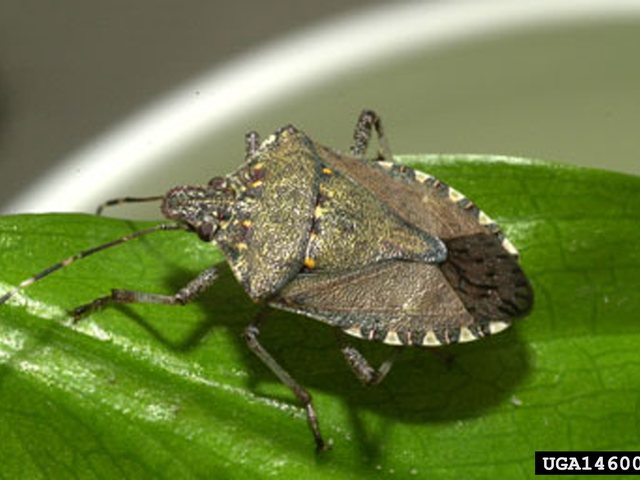
Overwintering pest control in Battle Creek, MI deals with the insects that do not want to eat your house, they just want to survive a Michigan winter inside it. On warm afternoons in late September and October, boxelder bugs, brown marmorated stink bugs, multicolored Asian lady beetles, and cluster flies gather by the hundreds on sunny south and west walls, then work their way in through siding gaps, soffit and attic vents, window and door frames, and utility penetrations. They spend the winter tucked in wall voids and attics, and every warm spell, plus the following spring, sends a fresh wave stumbling into your living space. They do not bite or breed indoors, but stink bugs and lady beetles both release an unpleasant odor when crushed, and lady beetles can stain. Timing decides the outcome.
Why they pick your house
They are looking for a warm, protected cavity, and they find it by following heat. South and west-facing walls that catch the low autumn sun are the launch point, especially light-colored siding, brick, and anything with gaps: the seam under vinyl siding, soffit and gable vents, ridge vents, window and door frames, and the holes where cable, gas, and electrical lines pass through.
Boxelder bugs come off boxelder, maple, and ash. Stink bugs come off fruit trees, gardens, and field edges. Cluster flies develop in earthworms in the soil around the house. Lady beetles come off soybean fields and wooded edges. Battle Creek supplies all of it.
Why indoor spraying is the wrong move
Once they are in the wall void, spraying inside accomplishes very little and can leave dead insects in the wall, which in turn feeds carpet beetles. Vacuuming what appears indoors is the right response, and a shop vacuum keeps the odor out of a household vacuum.
The work that matters is done outside, before they get in.
Exclusion first, then a timed exterior treatment
Exclusion is the durable half. Seal the siding gaps and utility penetrations, screen the soffit, gable, and ridge vents, repair damaged screens, add or fix door sweeps, and caulk around window and door frames. That work pays back every year.
The other half is timing. A residual exterior treatment applied to the sunny walls, eaves, and around openings in late summer to early fall, before the insects mass, intercepts them on the way in. Applied after they are already inside the wall, it does far less. A local pro who watches the Michigan calendar puts it down at the right week.
Call and connect with an experienced local exterminator.